Crawl space insulation in Victoria TX - warmer floors and a drier space under your house
Cold floors or a musty smell in the house often trace back to the crawl space. We sort out the cause first, then insulate underneath.
- Fully licensed and insured.
- Free in-person estimates.
- We reply within 1 business day.
Should you insulate or seal the crawl space under your Victoria home?
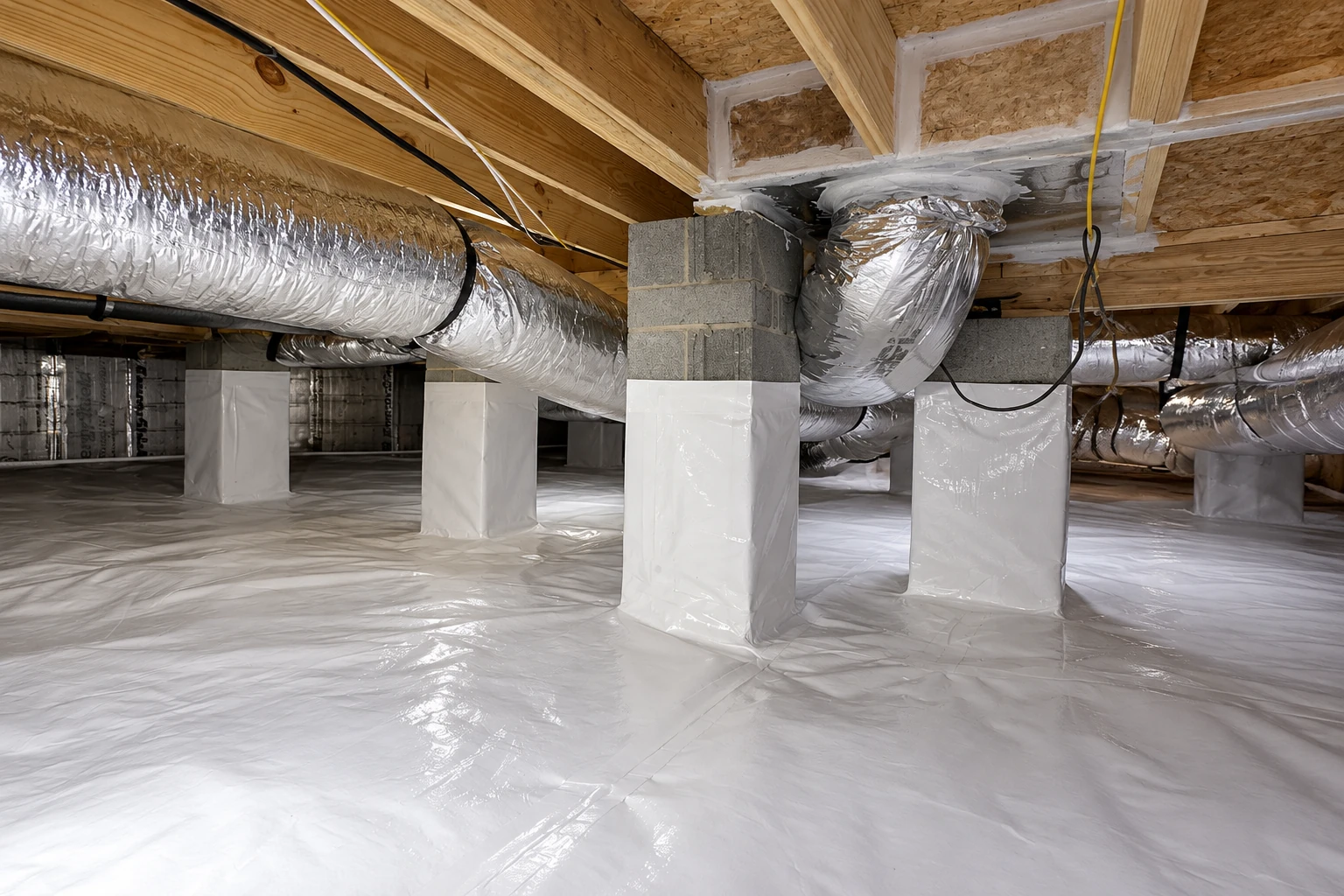
Crawl space insulation in Victoria, TX slows heat moving through the floors of your house, either by insulating under the floor or by turning a vented crawl space into a sealed, insulated and dry one. Research on sealed crawl spaces found they used less energy for heating and cooling and stayed less humid.
Most people call because the floors are cold in winter, the house smells a little musty, or the power bill stays high even after the attic's been done. The price moves with the size of the crawl space in square feet, whether we're sealing it or insulating under the floor, which material goes in, and whether anything has to be fixed first. The schedule mostly turns on that last part, since a mold cleanup or an answer from the permit office can come before we start. A sealed crawl space often gets a crawl space vapor barrier over the ground as part of keeping it dry. When I come out, I write down what I found, what I'd do first and why, so you have a figure for your own house and can compare it fairly with other quotes.
How we handle crawl space insulation
Before we talk about sealing a crawl space, I look at three things, because each one can change what I'd recommend. The first is flood risk, which decides whether sealing fits your house at all. The second is any gas equipment down there, because sealing around a water heater or furnace that burns fuel and vents without a fan can create a deadly situation, so it has to be part of the plan from the start. The third is mold, since national guidance calls for a certified mold remediation expert to inspect any surface mold or fungus and set a cleaning plan before insulation work goes ahead. Once those are sorted out, our crew clears out debris and old material, closes the gaps we find, puts the insulation in and cleans up after ourselves.
Crawl space work often sits next to other jobs. If air still finds its way up through the floor once the insulation is in, our air sealing services close those openings so the new insulation isn't fighting a draft. If rooms still feel hot or drafty along the outside of the house, wall insulation is usually the next place I'd look.
Sealed and insulated crawl space
This suits houses outside flood-prone areas, because we close the vents, insulate the crawl space walls and keep the space dry so the floors above stay comfortable. It takes more planning, especially around any gas equipment down there, but it usually does the most for the floors and the air underneath.
Insulation under the floor, vents left open
This suits houses in flood-prone spots or where sealing doesn't fit, since we insulate between the wood beams under your floor and let the crawl space keep breathing as it does now. I'd like to know what flooring is above, because building guidance doesn't recommend a covering that blocks moisture over insulation that lets moisture through.
If you've seen mold, standing water or a gas water heater or furnace under the house, call (361) 363-1202 before anyone seals or insulates, so I can look first.
What happens when you call about crawl space insulation?
I'd rather you know how this goes before you agree to anything. Here's what happens from your first call to the day we finish under your house.
Call or send a request
You call (361) 363-1202 or send the form, and we get back to you by phone or message to set a time for me to come out. Tell us what you've noticed, like cold floors or a musty smell, so I know where to start.
I come out and look
I go under the house myself, check the flood risk, any gas equipment and any mold, and write down what I found, what I'd do first and why. You get a figure for your house and a plan you can compare fairly with other quotes.
Our crew does the work
If you'd like to go ahead, our crew does the job once anything that has to come first is sorted out. Before we leave, I walk the finished work with you and answer whatever questions you have.
Get a written plan for your crawl space
We reply within one business day to set up a visit. The estimate is free and on site, there's no pressure to book, and I'll leave you a written plan of what I'd do first and why.
(361) 363-1202Crawl space insulation in Victoria: permits, floods and termites
Most construction inside Victoria city limits needs a building permit from the city's Development Center, and its list names work like electrical, plumbing and remodels but not crawl space insulation, so whether your job needs one isn't settled until someone asks. Before we start, I check with the permit office about your job and tell you what they said. If a permit is needed, we work out with you who applies, and we don't begin until it's in place. We're fully licensed and insured.
Two local things shape the choice between sealing and venting. The current flood maps for Victoria County are on the city's floodplain page, and I'd recommend looking up your house there before deciding on a sealed crawl space. The city's residential code also lists termites as a local concern, so they belong in the plan too. We see the same questions on jobs in Port Lavaca and Edna, and we work in other cities around Victoria as well.
Crawl space insulation questions from Victoria homeowners
How much does crawl space insulation cost in Victoria, TX?
Across the US, insulating a crawl space usually costs about $3 to $6 per square foot, and that's a national estimate for the work, not our price. Your own job lands where it does because of the size of the space, the method and whether mold cleanup or equipment changes come first. The estimate I write after looking under your house gives you the figure for your job.
How do I decide whether to seal my crawl space if my area floods?
If your house sits in a flood-prone area, sealing the crawl space usually isn't the right fit, because regional extension guidance says a closed crawl space isn't advisable there. In that case I'd look at insulating under the floor and leaving the vents open instead. Checking the flood maps mentioned above is a good first step.
Can I just close my crawl space vents to save on the power bill?
No, closing the vents by themselves isn't enough and can actually raise the moisture under your house. A sealed crawl space also needs its walls insulated, its gaps closed and the space kept dry, with any gas equipment planned for first.
How is termite risk handled on crawl space jobs in Victoria?
National guidance says that where termites are a concern, a gap is left between the top of the insulation and the bottom of any wood so termites can be spotted. Since the city's code lists termites, it's a fair thing to ask any installer about, and I'll go over it with you at the estimate.
How long does crawl space insulation take?
The time comes down mostly to the size of the crawl space, how easy it is to move around in and whether anything has to happen first. A mold cleaning plan or an answer from the permit office can come before we start, and I'll tell you what applies to your house once I've been under it.
Does spray foam in a crawl space need to be covered?
Usually, yes. Spray foam and rigid foam boards in a crawl space generally have to be fire retardant or covered with a fire-resistant layer such as drywall or plywood. That covering can add to the job, so it's worth asking about when you compare foam with other choices.
Related work that pairs with crawl space insulation
Older houses often have little or nothing in the outside walls, so rooms can stay uncomfortable even after the floors and attic are done.
Small openings let a lot of outside air in, so sealing them before or alongside new insulation helps the whole house hold its temperature.
Tell us about your crawl space
Call (361) 363-1202, email hello@victoriasprayfoaminsulationsolutions.com or use the contact form with the rough square footage, any gas equipment down there, any mold you've seen and the flooring above, so I come out ready to check the right things.