Wall insulation in Victoria, TX - outside walls filled without tearing them open
Rooms along the outside walls that stay hot or drafty? We fill those walls so your house holds the cool you pay for.
- Fully licensed and insured.
- Free in-person estimates.
- We reply within 1 business day.
Can you add insulation to the walls of a house that's already built?
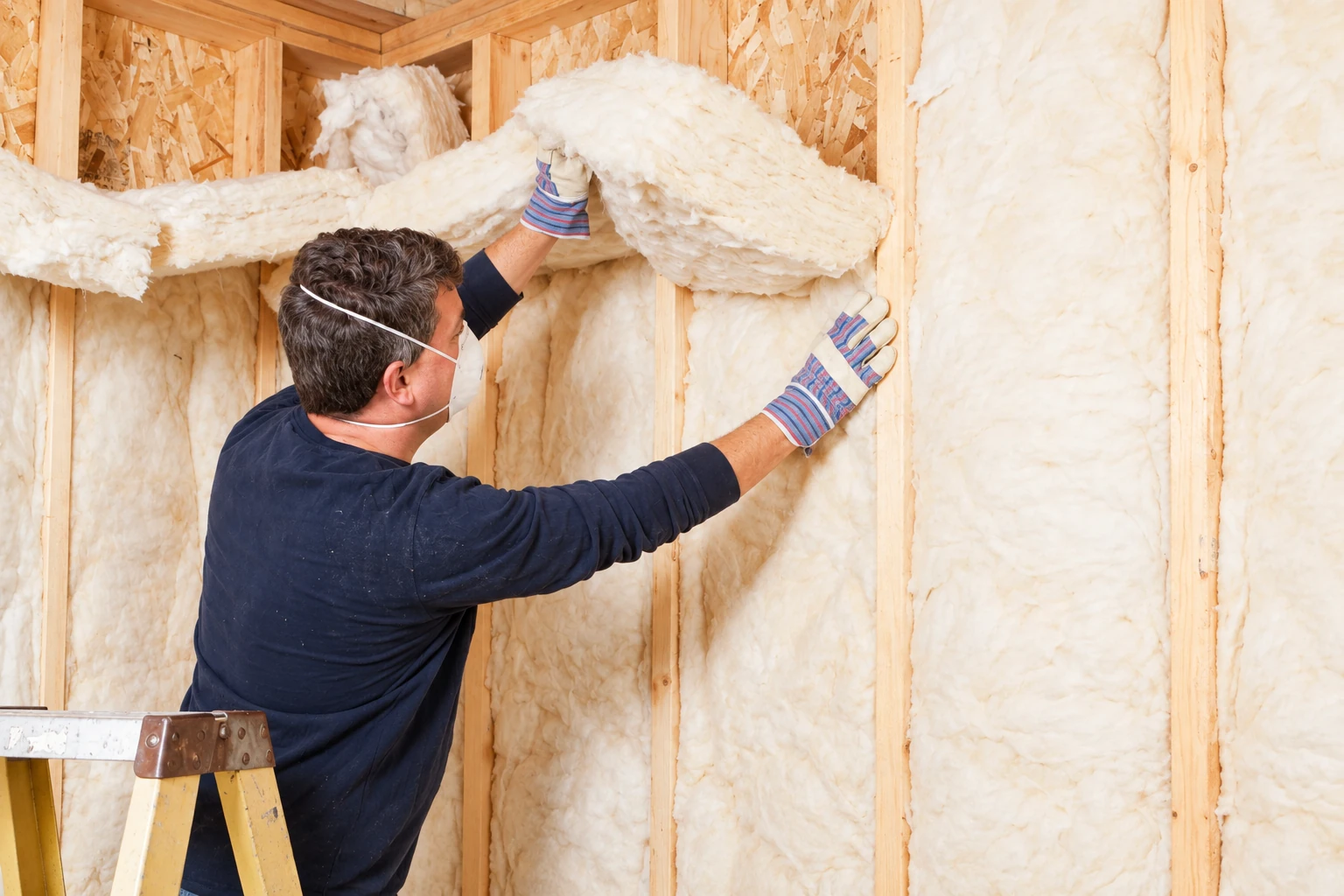
Yes. Wall insulation in Victoria, TX for an existing house is usually done by drill and fill. We drill small holes near the top of each wall cavity, blow in loose-fill insulation through a hose, and close the holes back up, so your outside walls get insulated with fairly little disturbance and without being torn open.
Often the attic is already done, but the rooms along the outside walls still run hot or drafty, so the walls are the next place to look. The price mostly depends on how much wall we're filling, the type of siding, whether we work from inside or outside, and what we learn about the wiring and the age of the house. The schedule usually depends on whether the city wants a permit and how much patching your rooms need afterward. If no one has checked your attic yet, attic insulation may be the better first step, and my written estimate will say which job I'd do first and why.
How we handle wall insulation, start to finish
Before anything else, I ask about the house's age, its wiring and its siding, because those three things tell us whether to drill from inside or outside and how much wall we'll have to open. I'd also recommend finding the gaps where outside air gets in, since closing them before the walls are filled keeps the new insulation from fighting a draft. Then our crew drills the holes, blows each cavity full, and seals and patches every hole neatly.
Some houses need more than filled walls. If air is leaking in at the sill, around plumbing or behind window trim, our air sealing services close those paths so the walls can hold their temperature. If part of the house sits below ground, basement insulation handles those walls in its own way.
Filling the walls from inside
Working from inside leaves the house wrap behind your siding alone, so it suits a house whose siding is in good shape or hard to take off. We cover the floors under each wall and clean up as we go.
Filling the walls from outside
Going in from outside keeps the work out of your rooms, and many sidings, such as vinyl, aluminum and steel, can be loosened and set back. Drilling through the house wrap, the water-shedding layer behind the siding, means that layer then has to be patched or replaced, so I look at its condition before I'd recommend this way.
Insulating while you re-side
If new siding is already planned, that's the best time to insulate from outside, because the old wrap is exposed and can be checked and put back right. It's also the time to add rigid foam boards on the outside, either along with filling the cavities or in place of it.
If you see old cloth-covered wiring or porcelain knobs in the attic, please call before anyone fills the walls, so we can settle the wiring question first.
What happens when you call us about wall insulation in Victoria?
Here's how a wall job runs with us, from the first call to the walk-through at the end. I'd rather you know each step before it happens than be surprised by it.
Call or send a request
Call (361) 363-1202 or use the form, and tell us a little about the house. We get back to you by phone or by message to set up a visit.
I look the house over
I come out myself and check the walls, the wiring and the siding, then write down what I found, what I'd do first and why. That way you know what you're paying for and can compare it fairly with other quotes.
Our crew fills the walls
If you'd like to go ahead, our crew drills, fills and patches the walls the way we agreed. If anything comes up once the walls are open, I'll explain it to you before we change the plan.
We walk the finished work
When the crew is done, I walk the finished walls with you and show you where we worked. We don't call the job finished until I've checked it myself.
Get a written plan for your outside walls
Send the form and we'll reply within one business day to set up a free in-person estimate. I come out myself and write down what I'd do first and why, and there's no pressure to book.
(361) 363-1202Wall insulation in Victoria and the city's permit rules
Inside Victoria city limits, most construction needs a building permit from the city's Development Center, the office that reviews plans, issues permits and does building inspections. Its permit list names electrical and residential remodel work but doesn't mention wall insulation, so whether your job needs a permit isn't settled until someone asks. Before we start, I check with the city about your job and tell you what they said. If a permit is needed, we work out with you who applies, and we don't begin until it's in place. The city's Building Guide also lists a wall insulation and air-leakage caulking inspection among its typical inspections, with framing inspected before insulation goes in.
Many of the wall jobs we see around here are older frame houses, some with their original wood siding and some re-sided in vinyl over the years, which is why I ask about the siding before choosing a side to work from. We're based in Victoria and see the same kinds of houses on jobs in Cuero, Port Lavaca and other cities around them, so if you're not sure we come out your way, just call and ask.
Wall insulation questions homeowners ask in Victoria
How much does it cost to insulate existing walls in Victoria, TX?
Across the US, installing blown-in wall insulation usually costs about $3.80 to $4.60 per square foot, so the amount of wall you're filling matters most. That's a national figure, not our price. Your own number comes from the written estimate I do on site, which counts the siding, the side we work from and the patching.
Does an older house change how wall insulation is done?
It can. In homes built before 1980, lead safety rules may apply depending on how much of the wall the work disturbs. I'd recommend asking how much wall we plan to open, and I'll tell you before we start. We're fully licensed and insured.
What is the best way to insulate walls that have knob and tube wiring?
The best way is to deal with the wiring first, because the electrical code doesn't allow insulation to be put on or around knob and tube wiring. If I see signs of it during the estimate, I'll tell you plainly, and we won't fill those walls until the wiring is sorted out with an electrician.
Will I be able to see the holes after you insulate my walls?
Not once we're done. Inside, the holes are patched, or they can be covered with a chair rail molding if you'd like trim along that wall, and I'd recommend choosing room by room. From outside, the holes end up behind the siding once it goes back on.
Do we have to leave the house while you blow insulation into the walls?
Usually not for blown-in wall work. I'd recommend keeping kids and pets out of the rooms we're working in until the crew has cleaned up, and we'll tell you when those rooms are ready.
What causes rooms to stay hot or drafty after the attic is insulated?
Usually it's the outside walls, because older walls are often empty or the insulation in them has settled, and air comes in through the gaps around them. That's why I look over the whole house before I quote, so the money goes where it will actually help.
Other work that pairs with wall insulation
Closing the small gaps around outlets, pipes and windows stops outside air from moving through the house, so the insulation you paid for can do its job.
If part of your house sits below ground, those walls handle moisture differently and need their own approach, not the drill and fill used on walls above them.
Call about insulating your outside walls
If you have the house's age, the siding type and a rough idea of the wall area handy when you call (361) 363-1202 or send the form, I can come out ready for your walls.